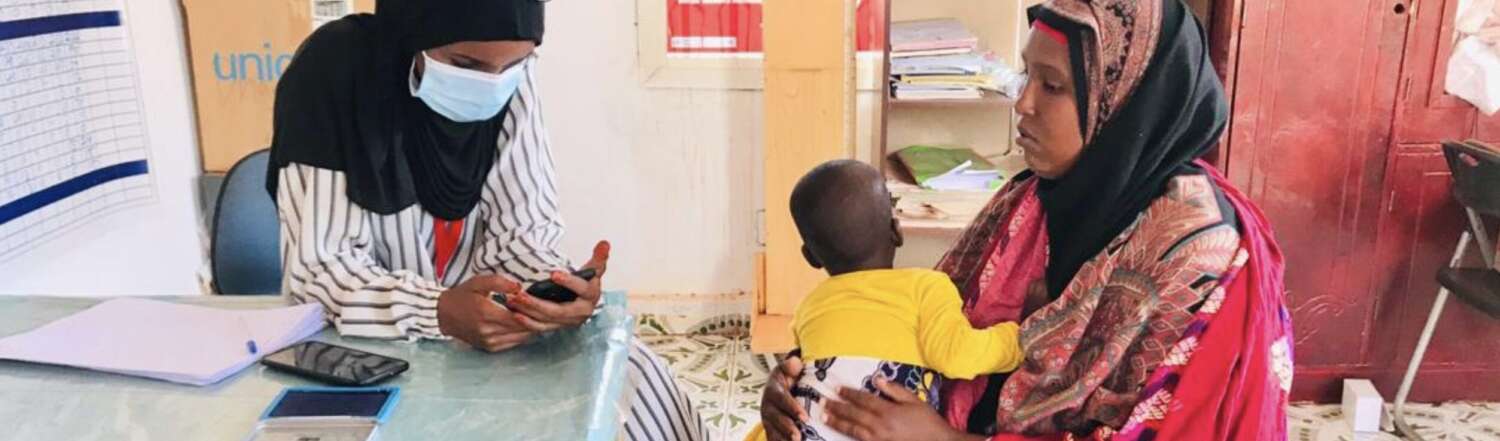
Endometriosis and sexual health are connected in ways that medicine rarely addresses fully. The condition affects roughly 1 in 10 people with a uterus — but that framing is increasingly understood to be incomplete. Endometriosis has been found in people assigned male at birth, and in people with conditions such as MRKH who developed without a uterus. The condition is broader, and less fully understood, than common language suggests.
Diagnosis typically takes far longer than most people expect. By the time a client reaches you, the impact on their sexual health, relationships, and sense of self is often already significant — and largely unaddressed.
As a sex coach, you will encounter clients with endometriosis. Some will arrive with a confirmed diagnosis. Others will be mid-investigation, uncertain, and exhausted. A third group will arrive for something else entirely, and endometriosis will surface later in your work together. And occasionally, your client will be a male partner trying to understand what his female partner is going through.
This guide is designed to give you a grounded, practical foundation, clinical enough to be useful, scoped correctly for coaching practice.
A note from SCU’s CEO
Nikol Dekazou, SCU’s CEO, lives with endometriosis. The clinical information in this guide is grounded in research — but it’s also grounded in something harder to source: the experience of navigating a medical system that routinely underestimates this condition, managing its relational weight, and finding a way to live fully within a body that doesn’t always cooperate.
What Endometriosis Is — and Why It Matters for Sexual Health
Endometriosis is a chronic condition in which tissue similar to the uterine lining grows outside the uterus — on the ovaries, fallopian tubes, bowel, bladder, and in some cases the pelvic wall or surrounding tissues. In rarer cases, it has been found far beyond the pelvis, including on the diaphragm, lungs, and thoracic spine.

Unlike normal uterine tissue, endometriosis cells behave like a benign cancer, migrating through the body, forming their own nerve endings, and embedding in surrounding tissue. They do respond to hormonal signals (thickening, breaking down, and bleeding), but the relationship is not straightforward. Pain and flare-ups can occur independently of the menstrual cycle, which is part of why the condition is so difficult to predict and manage. With nowhere to go, this causes inflammation, the formation of scar tissue (adhesions), and, in many cases, significant pain.
Common Symptoms of Endo
Symptoms vary considerably between individuals. Common presentations include:
- Pelvic pain, particularly before and during periods, and around ovulation
- Deep pain during or after penetrative sex (dyspareunia)
- Chronic fatigue
- Bowel and bladder symptoms
- Bloating, sometimes severe
- Fertility difficulties
- Nerve pain, including sciatica and referred shoulder pain
- Symptoms beyond the pelvis — endo has been documented in the diaphragm, lungs, and thoracic spine, meaning shoulder pain, chest pain, or breathing difficulties around menstruation may also be relevant
- Co-existing conditions, including fibromyalgia, IBS, ADHD, and anxiety
What is less commonly discussed, but directly relevant to your work, is the psychological and relational toll. Living with a condition that is unpredictable, poorly understood, and frequently dismissed shapes how a person relates to their body, their partner, and their sense of self as a sexual being.
The Diagnostic Delay, and What It Means for Coaching
The average time between symptom onset and formal diagnosis varies — and is longer than most people realise. A University of York review of 22 research papers found a global average of 6.6 years, while Endometriosis UK‘s most recent diagnosis report puts the average in the UK at almost nine years from the first GP visit. The range across studies runs wider still — delays of over a decade are not uncommon.
This delay is usually the result of being dismissed, by doctors who normalize the pain, by partners who don’t fully understand it, and often, eventually, by the person themselves. Years of being told that pain is normal, exaggerated, or psychosomatic leaves a mark that outlasts the diagnosis.
By the time a client reaches you, they may have become highly skilled at minimizing their own experience: ‘I know it’s probably not that bad,’ or ‘I don’t want to make a big deal of it.’ A distrust of the medical system is common, as is a pattern of pushing through pain rather than working with it.
This adaptation shapes everything about how you listen, what you ask, and what you don’t rush past.
Coaching note: Before you ask what a client wants to change, it’s worth understanding how long they’ve spent being told their experience wasn’t real. That context may change how you hold the initial sessions.
How Endometriosis Affects Sexual Health and Intimacy
Around two-thirds of people with endometriosis report some form of sexual difficulty. Despite this, sexual pain is one of the symptoms least likely to be raised with a doctor unprompted, and when it is raised, it is often undertreated or attributed to psychological factors without adequate investigation.
Your clients may have been carrying sexual pain in silence for a long time before they speak about it in coaching.
How Endometriosis Treatment Affects Sexual Health
Treatment for endometriosis frequently involves significant hormonal intervention — high-dose progestogens, medications that suppress ovarian function, or drugs that induce a temporary early menopause. Many clients will have had one or more surgeries, sometimes including hysterectomy.
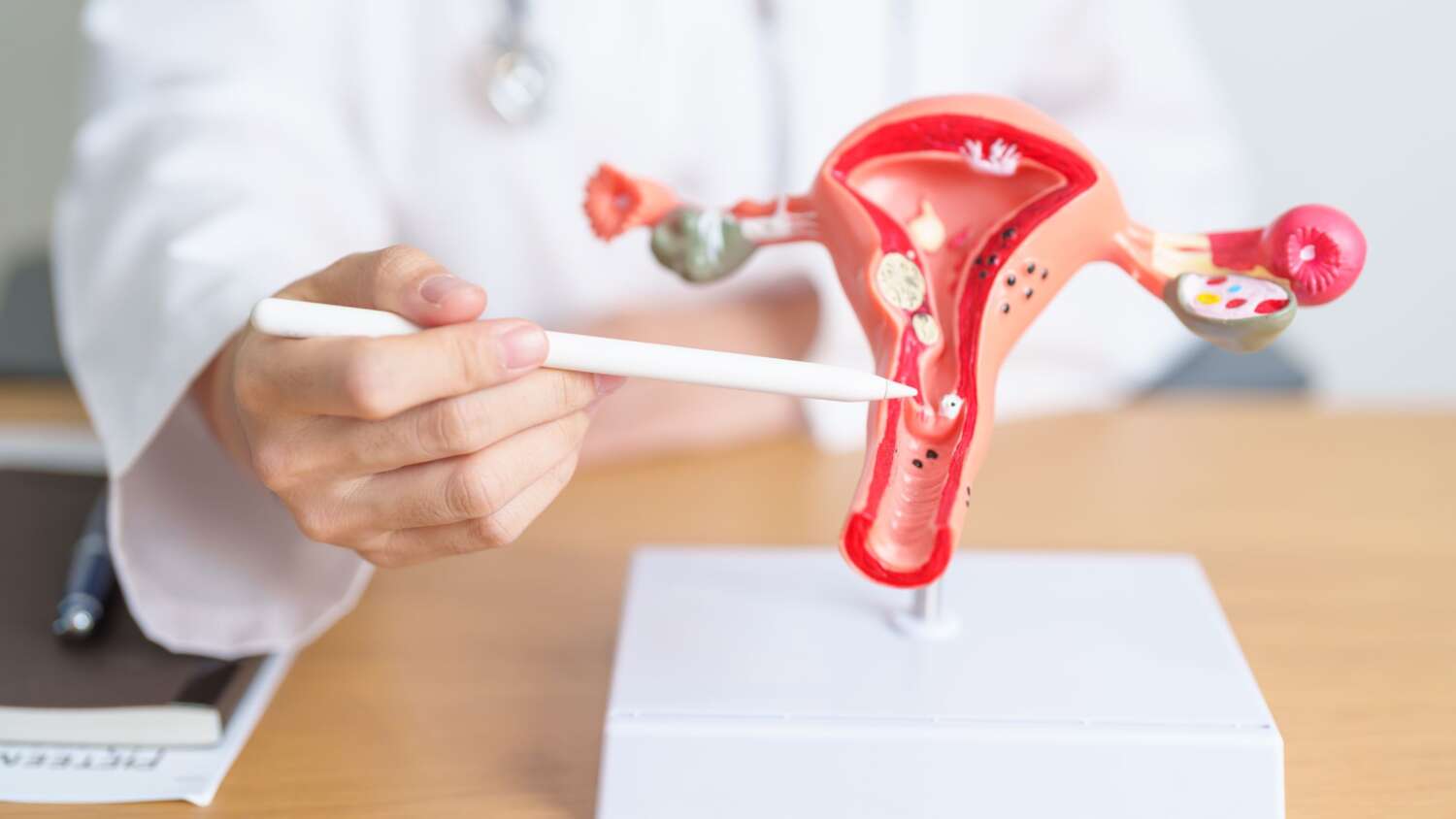
These treatments carry their own sexual and relational consequences. Progestins in particular can cause vaginal dryness, reduced libido, weight changes, acne, and mood shifts. For many clients, there is also a psychological dimension: facing symptoms associated with reproductive aging — dryness, hormonal depletion, loss of fertility — earlier than they had anticipated or prepared for.
This is worth understanding as its own category of impact. A client’s relationship with their body and their sexuality may have been shaped not only by the condition itself, but by the treatment of it.
Endometriosis and Sexual Pain
Pain with endometriosis is usually deep rather than superficial. Penetrative intercourse can be painful because of inflammation and adhesions in the rectovaginal space, the area between the back wall of the vagina and the front wall of the rectum, which moves during sex. Certain positions cause more pain than others, depending on the location and extent of lesions.
Chronic pain during or after sex creates a secondary problem: the nervous system learns to anticipate it. Over time, the body can develop protective guarding responses, pelvic floor tension, anxiety before or during intimacy, avoidance, that persist even when pain is better managed medically. This is the territory where coaching has real traction.
Avoidance and withdrawal
Pain-related avoidance often extends beyond the physical act. Clients may withdraw from affection, proximity, or emotional intimacy with a partner, not from a lack of desire, but because the boundary between comfortable and painful has become blurred, and avoidance feels safer than constant negotiation.
This can look like low libido. It is worth exploring whether reduced desire reflects how the client actually feels, or whether it is a protective response to a situation that has felt unmanageable.
Body image and identity
Living with a condition that makes the body unpredictable, that causes bloating, fatigue, pain flares, and fertility concerns, takes a toll on how a person understands themselves as a sexual being.
Many clients with endometriosis carry guilt — about not being available to partners, about their body not working the way they expect, about feeling like a burden. This guilt often sits underneath the presenting concern and does not always announce itself clearly. It is worth asking about directly and without assumption.
Coaching questions worth sitting with:
- What does this client believe about their body?
- What story are they telling themselves about their desirability, their worth, their sexual future?
- Where did those stories come from, and do they still hold?
- What does this client’s body need during and after a flare — and do they allow themselves to provide it?
- Are there small rituals or practices that help them feel connected to, rather than at war with, their body?
- What would it look like to notice and honor what their body can do, alongside what is difficult?
Four Coaching Angles — and What Is Useful in Each
1. Expanding the sexual frame
Many clients have never seriously considered a model of sexuality that isn’t organized around penetration. This is particularly limiting when penetration is painful or inconsistent. Part of your work may be helping a client explore what sexuality and pleasure can include, non-penetrative intimacy, manual or oral pleasure, solo exploration, cycle-aware timing, and an understanding of their own pain patterns well enough to act on that knowledge.
This is to help your client build a fuller, more sustainable relationship with their sexuality, one that doesn’t depend on a single act and doesn’t categorize every difficult day as a failure.
2. Working with the nervous system
Chronic pain conditions change how the nervous system processes sensation. Guarding, anticipatory anxiety, and avoidance are intelligent adaptations to a body that has been consistently unpredictable or painful. Coaching can help a client understand this pattern, work with it consciously, and begin to rebuild a sense of safety in their body.
This work sits at the boundary between coaching and somatic therapy. Know your scope and know when to refer.
3. Communication and relationship support
Partners, particularly male partners, often struggle with how to respond to a partner’s endometriosis. Some feel helpless. Others feel shut out. Some develop their own avoidance patterns: pulling back from initiating, becoming anxious about causing pain, or misreading their partner’s withdrawal as rejection.

Your client is one person but helping them find language for what they are experiencing, what they need, and what they want their partner to understand is within scope. A client who can communicate clearly is in a much stronger position to navigate the relational complexity that endo brings.
4. Navigating the diagnostic journey
Some clients will come to you undiagnosed. Others will have a diagnosis but feel unsupported by their medical team. Either way, years of ambiguity tend to result in a learned tendency to minimize, to doubt, to push through without asking for what they need.
Your scope doesn’t include medical advice. But it does include helping a client develop a clearer, more grounded relationship with their own experience, and supporting them to advocate effectively within the healthcare system. That might mean helping someone prepare for a difficult conversation with a gynecologist or nutritionist. It might simply mean reflecting back, clearly, that their pain is real, whether or not it has been formally confirmed yet.

A Note on Male Partners
Occasionally your client will not be the person with endometriosis, but their male partner. These clients arrive with their own version of the confusion and relational difficulty that endo creates.
They may feel:
- Helpless in the face of a condition they cannot fix
- Rejected or shut out, even when they understand rationally that it isn’t personal
- Anxious about initiating, or guilty when they feel frustrated
- Uncertain about how to ask what their partner needs without adding pressure
This is useful coaching territory. Help these clients understand the condition clearly, develop their own emotional language around it, and think concretely about how they can show up as a supportive partner, without either martyring themselves or disappearing from the relationship.
A well-supported partner is a resource to the person with endo. That’s worth treating as meaningful work.
Scope of Practice — What Is and Is Not Your Role
As a sex coach, you are NOT:
– Diagnosing endometriosis or any medical condition
– Advising on medical treatment, surgical options, or hormonal management
– Providing pelvic floor therapy or somatic interventions outside your training
– Treating PTSD, trauma disorders, or clinical-level anxiety
As a sex coach, you ARE:
– Helping clients understand how their condition affects their sexual self-concept
– Widening the frame of what intimacy and pleasure can include
– Supporting communication and relationship clarity
– Helping clients develop a grounded, credible relationship with their own experience
– Supporting self-advocacy within the medical system
– Referring appropriately when clinical needs are beyond your scope
Holding this scope clearly protects both you and your client. It also makes your work more effective, because coaching is not trying to do what medicine does. It is doing something different, and often something that medicine does not do at all.
Referral Partners Worth Building
A well-connected sex coach is a better sex coach. For clients with endometriosis, the following referral relationships are worth cultivating:
- Pelvic floor physical therapists, particularly those experienced with endometriosis and chronic pelvic pain
- Endometriosis-specialist gynecologists, who understand the full scope of the condition, including its sexual and relational dimensions
- Psychotherapists and trauma-informed practitioners, for clients where the psychological impact of chronic illness requires clinical support
- Endometriosis support communities and patient organizations, for peer connection, practical information, and advocacy resources
- Nutritionists specializing in endometriosis and chronic inflammation, who can support clients with dietary management of symptoms
These relationships also strengthen your professional credibility. Practitioners who refer to you, and whom you refer to, form a network that serves clients better than any single practitioner could alone.
In Summary
Understanding how endometriosis and sexual health are connected, changes what you listen for and how you work. And this is a condition your clients will bring to coaching, directly or indirectly, announced or buried.
You don’t need to be a medical specialist to do this work well. You need to know enough to be useful, clear enough about your scope to stay grounded, and skilled enough as a coach to hold space for what your client may never have been invited to say out loud.
Interested in working with clients like these?
Sex Coach U trains practitioners to work competently, ethically, and sustainably across the full range of human sexual experience — including complex presentations like chronic illness, sexual pain, and relational difficulty.
If you’re considering formalizing your practice, our certification program provides the clinical grounding, supervised practice, and professional framework to do that well.
Learn more about SCU’s certification program.
FAQs
How does endometriosis affect sexual health and intimacy?
Endometriosis is a chronic condition in which tissue similar to the uterine lining grows outside the uterus. It commonly causes deep pain during penetrative sex, pelvic inflammation, and adhesions that restrict normal movement during intercourse. Its effects on sexuality extend beyond physical pain to include body image, libido, relationship dynamics, and sexual identity.
Can a sex coach help someone with endometriosis?
Yes, within a clearly defined scope. A sex coach can help clients expand their understanding of intimacy beyond penetration, work with avoidance and guarding patterns, support communication with partners, and develop a healthier relationship with their body. Sex coaching is not a substitute for medical treatment, but it addresses dimensions of the condition that medicine typically does not.
How long does it take to get an endometriosis diagnosis?
Globally, research puts the average at around 6.6 years — but in the UK, Endometriosis UK’s most recent report puts it closer to nine years from first GP visit. The delay is frequently the result of pain being dismissed or normalized. By the time a client reaches coaching, they may have spent years minimizing their own experience.
What is dyspareunia?
Dyspareunia is the clinical term for persistent or recurrent pain during or after sex. It is one of the most common symptoms of endometriosis and one of the least likely to be raised with a doctor unprompted.
How does endometriosis affect relationships?
Endo affects both partners. The person with endo may withdraw from intimacy, struggle to communicate their needs, or carry guilt about the relational impact of their condition. Partners often feel helpless, shut out, or uncertain how to respond. Coaching can help both individuals navigate this more clearly.
Does endometriosis affect people without a uterus?
Endometriosis has been documented in people assigned male at birth and in people with conditions such as MRKH who developed without a uterus. It is broader in scope than commonly understood.
What is the difference between sex coaching and sex therapy for endometriosis?
Sex therapy is a clinical intervention, typically delivered by a licensed mental health professional, that addresses psychological and relational dysfunction. Sex coaching is forward-focused, non-clinical, and works with goals, patterns, and sexual wellbeing within a healthy population. Both can be useful; they are not interchangeable.
[/fusion_text][/fusion_builder_column][/fusion_builder_row][/fusion_builder_container]